Why Do We Write?
In broad terms. . .
Art, in all its forms and mediums, is an ever-evolving reflection of our human experiences, both unique and collective.
“Ethos has largely never been much of a question, when it comes to creative writing. ”
Upon creation art reflects the circumstances of its time, but the very best art has the ability to transcend generational context.
There has remained something immortal about literature, specifically; something about the simplicity of written words on a page, their ability to conjure imaginary people and places in our minds, that draws us close — close enough to see the bottomless lake beneath the words, a place to pour our own experiences into, and develop our own relationship with.
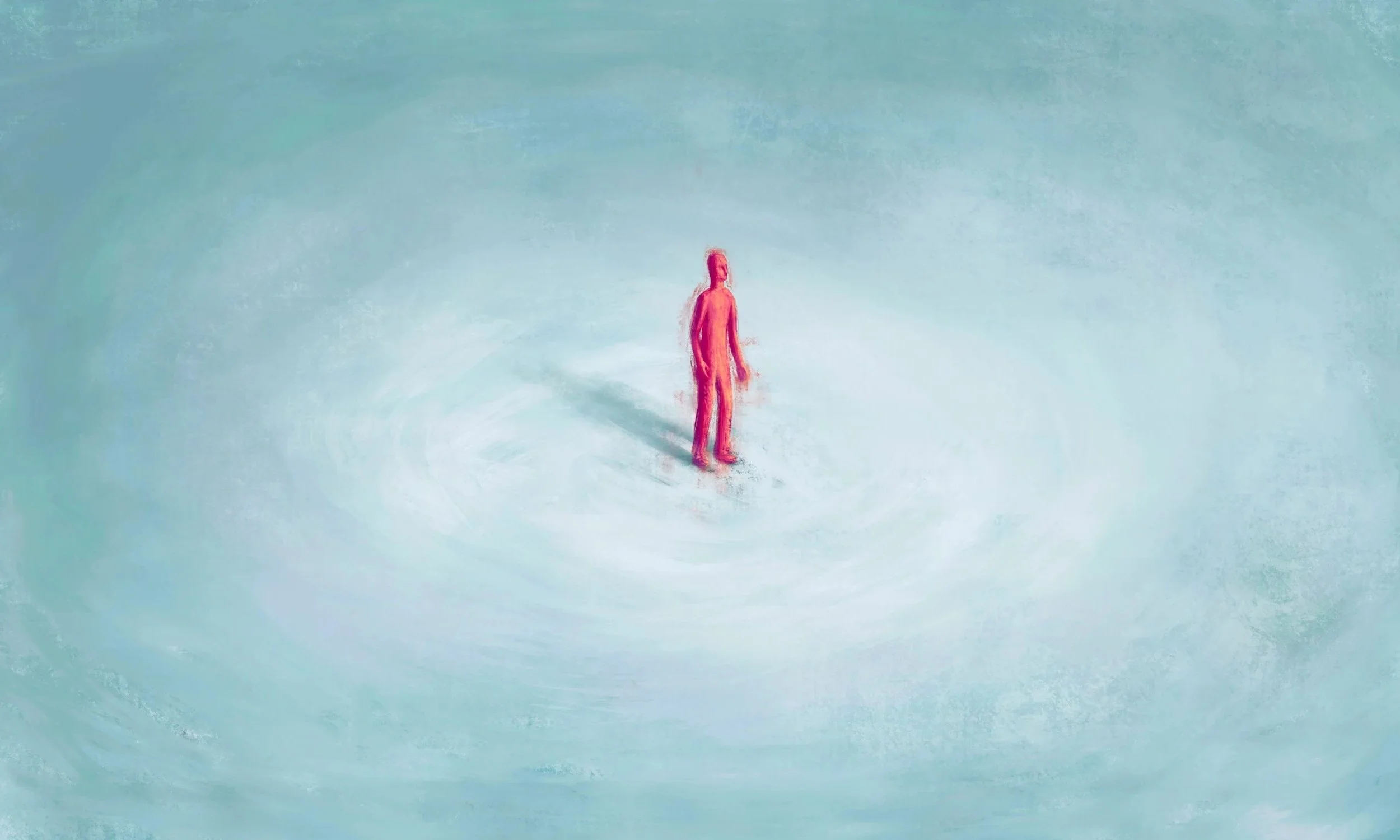
It might feel odd to question a creative urge that has always come naturally, but it is important we do so.
It has never been easier to write a novel than it is now. Softwares and search engines and the digital collection of our cumulative knowledge, all accessible at our fingertips, help us to write and research and direct our work to the right people — or even allow us to complete a writing project, from first draft into a complete self-published novel, all on our own. But putting aside all that, these tried and tested aspects of the internet, to address the much newer, much more problematic evolution we’ve encountered: we can now provide a simple prompt to any LLM model, and it will regurgitate a facsimile of a story within minutes, trivializing a process that historically takes months — if not years.
Is this a legitimate tool for creative writing? To help you answer that question for yourself, again, we must ask: what is the intention behind it? What makes it a story worth sharing? Does its mere existence warrant it be told?
It’s a foundational aspect of any creative endeavor, but more often implied than spoken aloud: we write to express ourselves, to give form to concepts and ideas stuck in our brains. What more needs to be said about that?
Well strangely, with the prevalence and newfound reliance on the internet, more people can discover more art, made by more people, than ever before — and as a result, the question of ethos has naturally come into sharper focus. What is the intention behind creating? What makes a story worth sharing?
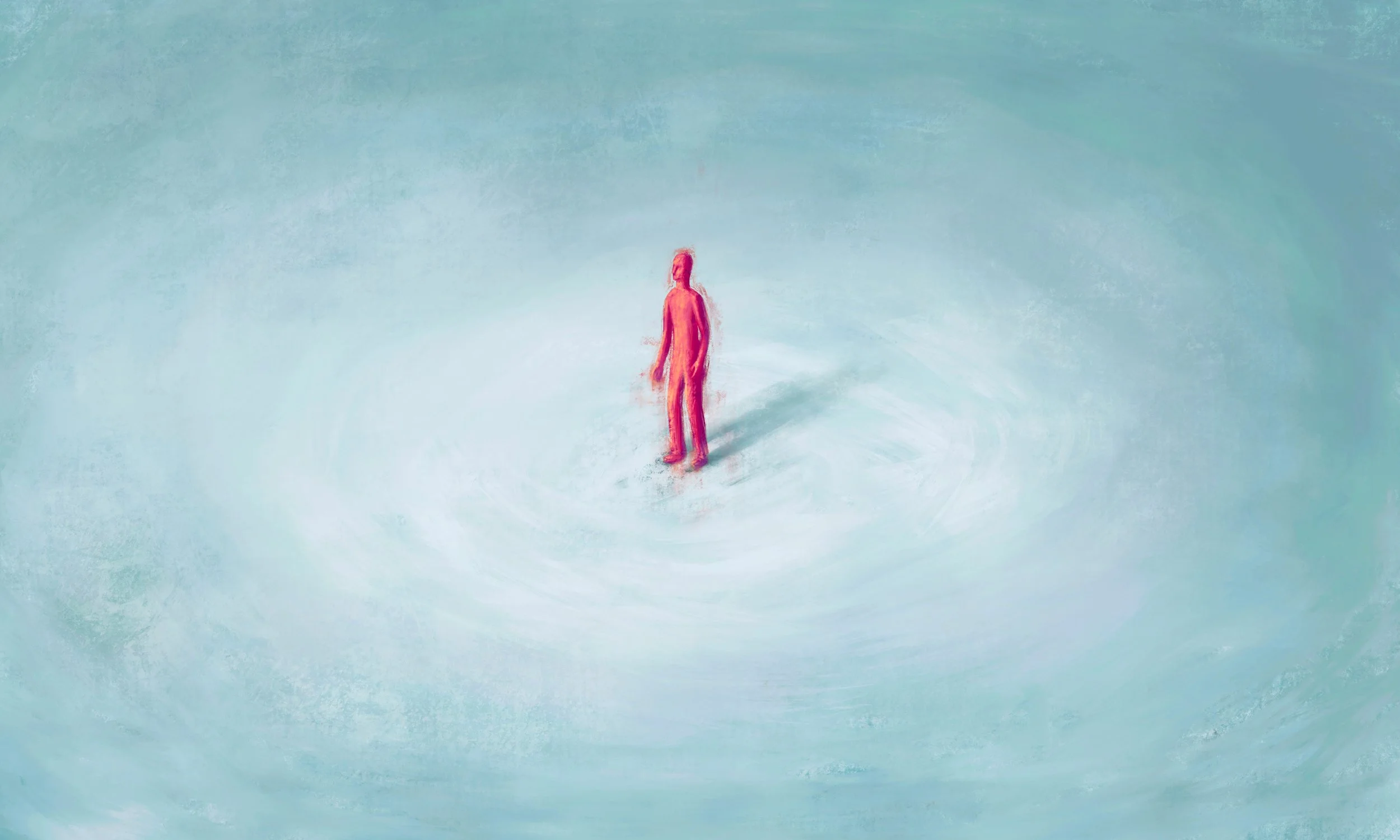
I do not believe struggle is a virtue, but it is my belief there are boundaries we must consider, if we are to preserve the significance of the written word. Literature has lasted so long because it has always come from an organic place. Good stories always have stories behind them, forged by the textured history of any author or artist. Life experience and human perspective create the empathy-imbued prose and poetry that then intertwine with an audience’s own life experience and human perspective. Author and audience alike can draw from the same well of (metaphorical) truths that only we, as humans, have access to. It is foundational to our connection to art and to each other. So before we invite a third party in, we must question whether they too have access to this part of us, if they share the same ethos as us, or if they’re merely an objective imitation.
We have been conditioned more and more to seek the outcome. For a moment, place the final outcome out of your mind, and think of why you strive for that final outcome. What, on the journey there, is so necessary to us that we must write it, even if it’s hard?
I am interested in novel writing and editing for the process itself. To explore and conceptualize our own creative ideas is the highest, most gratifying avenue of consciousness. If we don’t explore these ideas ourselves, if we outsource all that thinking to a machine, we cheapen and compromise on our expression for the sake of a faster outcome.
There is no catharsis in the outcome itself. The catharsis is in the doing.
LET’S TRANSFORM YOUR STORY TOGETHER
Take advantage of a free 15 minute consultation with me to discuss your novel. Allow me to help you determine the next steps for you and your story.